For irrigation professionals and large-scale agricultural distributors, the cost of 'plastic' is never just about plastic. It is a reflection of global energy markets, geopolitical stability, and supply chain logistics.
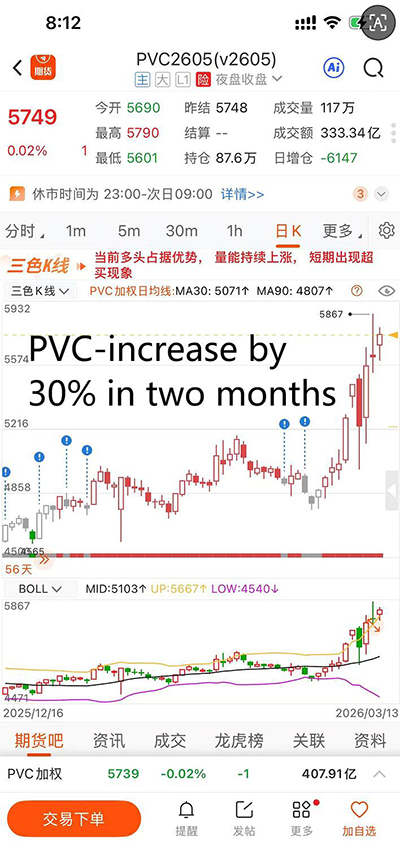
As we move through 2026, the irrigation industry is facing unprecedented volatility in HDPE (High-Density Polyethylene) and PVC (Polyvinyl Chloride) resin prices. Understanding these fluctuations is no longer just for economists—it is a vital skill for every procurement manager.
Since over 70-80% of the manufacturing cost of an irrigation pipe is tied directly to raw material (resin), energy prices are the primary driver.
The Crude Oil Connection: PVC and PE are derivatives of ethylene, which is cracked from naphtha (oil) or ethane (natural gas). With crude oil prices fluctuating around the $100/barrel mark in early 2026 due to regional conflicts, resin producers have passed these costs directly to pipe manufacturers.
Electricity Costs: The extrusion process for pipes is energy-intensive. Rising industrial electricity rates in Europe and parts of Asia have added a "secondary tax" on every meter of pipe produced.
In 2026, the 'location' of your pipe is as important as its material.
Supply Shock: Recent disruptions in key maritime corridors (like the Strait of Hormuz) have choked the supply of feedstocks, leading to a 60% surge in PVC prices in certain quarters.
The "Bifurcated" Market: We are seeing a gap between high-priced domestic resins in North America and aggressive, lower-priced exports from regions with surplus capacity. This makes "Global Sourcing" a double-edged sword: lower prices often come with higher shipping risks and longer lead times.
As virgin resin prices climb, the industry is hitting a 'tipping point' for sustainability.
The Price Gap: Historically, recycled HDPE (rHDPE) was used primarily for non-pressure applications. However, with virgin resin costs rising by 10-15% year-on-year, high-quality recycled blends are becoming economically attractive for secondary irrigation lines.
The Performance Trade-off: While recycled content lowers cost, it can impact the ESCR (Environmental Stress Crack Resistance). In 2026, the most successful buyers are those who specify "Hybrid Blends" that balance cost-saving with long-term durability.
How should you manage your irrigation budget in this environment?
Lock-in Early: For large-scale projects, 'Spot Price' buying is high-risk. Establishing long-term contracts with reliable manufacturers can hedge against sudden resin spikes.
Standardization: Moving toward standard SDR (Standard Dimension Ratio) pipes allows for easier multi-sourcing when one specific material supply chain fails.
 English
 Español
 русский
 العربية