In the evolving landscape of modern agriculture, flexibility and durability are no longer optional—they are requirements. As mobile irrigation systems (such as hose reels, travelers, and temporary water transfer setups) become the standard for large-scale farming, the demand for High-Pressure Layflat Irrigation Hoses has surged.
However, not all layflat hoses are created equal. For a system that requires frequent deployment and high operational pressure, understanding the material science behind the hose is the difference between a seamless harvest and a costly system failure.
For decades, PVC layflat hoses were the industry standard. But in 2026, TPU (Thermoplastic Polyurethane) has taken the lead in high-pressure applications.
Tensile Strength: Mobile systems subject hoses to immense stretching forces. TPU offers superior tensile strength, ensuring the hose doesn't elongate or "snake" under high pressure.
Abrasion Resistance: Mobile irrigation involves dragging hoses across rocky soil, stubble, and abrasive terrain. TPU’s molecular structure is significantly more resistant to punctures and external wear than standard rubber or PVC.
Weather Stability: Unlike traditional materials that crack under intense UV exposure or stiffen in cold climates, modern TPU
hoses maintain flexibility from -50°C to +80°C.
Feature | Standard PVC Layflat | Heavy-Duty TPU Layflat |
Max Working Pressure | 4 - 6 Bar | 10 - 25 Bar |
Abrasion Resistance | Low | Excellent |
Chemical Resistance | Moderate | High (including fertilizers) |
Service Life | 1 - 2 Seasons | 8 - 10+ Seasons |
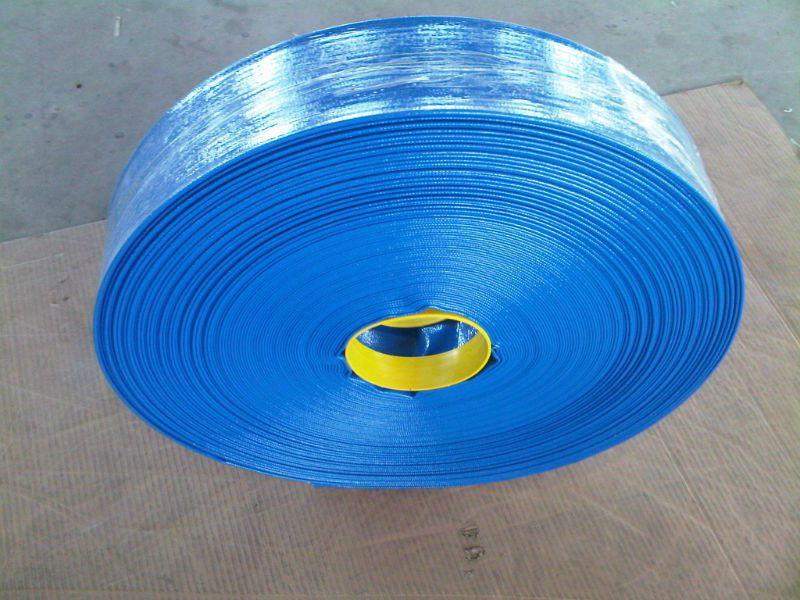
PVC
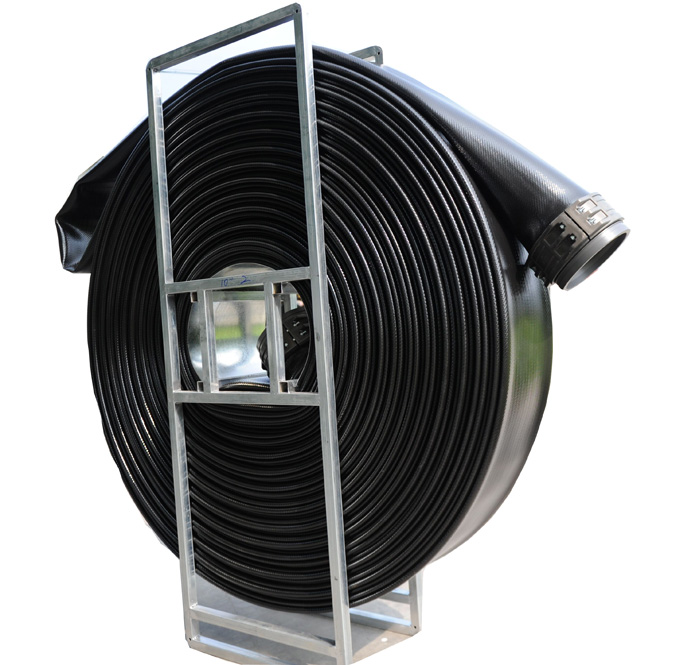
PU
The secret to a heavy-duty layflat hose lies in its internal architecture. Leading-edge hoses utilize a circular woven polyester jacket that is "extruded through the weave."
This process creates an inseparable bond between the inner lining, the reinforcement fabric, and the outer cover. This prevents delamination—the leading cause of hose failure where the inner layer peels away and blocks water flow.
When sourcing hoses for mobile deployment, look for these technical benchmarks:
1.Working Pressure (WP): For mobile travelers, a WP of 10–15 bar (150–220 PSI) is typically required.
2.Safety Factor: Always ensure a minimum 3:1 burst-to-working pressure ratio to handle sudden pressure spikes (water hammer).
3.Low Coil Volume: A major benefit of layflat technology is storage. High-quality hoses should remain compact when deflated, allowing for kilometers of piping to be transported on a single reel.
While the initial cost of a high-pressure TPU layflat hose is higher than PVC, the Total Cost of Ownership (TCO) is significantly lower.
Reduced Downtime: Fewer bursts mean fewer hours spent on emergency repairs.
Longevity: A premium TPU hose can outlast PVC by 4 to 5 times in rugged environments.
Labor Efficiency: Lightweight, flexible designs allow for faster setup and retrieval, cutting labor costs.
 English
 Español
 русский
 العربية