In modern agriculture, selecting the right irrigation hose pipe is not just about moving water from point A to point B; it's about optimizing water use efficiency, reducing energy costs, and ensuring system longevity. With dozens of materials and specifications available, making the wrong choice can lead to premature system failure or uneven crop watering.
This technical guide breaks down everything you need to know about agricultural irrigation hose pipes to make an informed commercial purchase.
The backbone of any irrigation hose is its material composition. Each handles environmental stressors differently:
Polyethylene (PE) Pipes (HDPE/LDPE): The industry standard for drip and lateral lines. HDPE offers exceptional resistance to UV radiation and agricultural chemicals. It is semi-rigid, ensuring it won't kink under moderate pressure. Check our high-quality Agricultural PE Pipes or heavy-duty PE Layflat Hoses for standard layouts.
PVC (Polyvinyl Chloride) Hoses: Highly rigid and ideal for main supply lines. If you need flexible options for medium pressure, consider our reinforced PVC layflat hoses. However, standard PVC can become brittle under prolonged UV exposure unless formulated with specific UV stabilizers. Check out our UV-resistant Irrigation PVC Pipes for long-term mainline installations.
EPDM Rubber Hoses: The premium choice for heavy-duty applications. They offer unparalleled flexibility, can withstand extreme temperature fluctuations (-20℃ to 90℃), and have the highest kink resistance.
When sourcing irrigation hose pipes, you must match the pipe's pressure rating with your pump's output and topography.
Technical Note: Always look for the SDR (Standard Dimension Ratio). The formulas for hydrostatic design stress are calculated as:
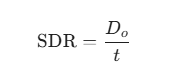
Where Do is the outside diameter and t is the wall thickness. A lower SDR means a thicker wall, capable of handling higher working pressures (PN).
Hose Type | Standard Working Pressure | Best Suited For |
Low-Density PE | 2.5 to 4 Bar | Drip irrigation laterals, micro-sprinklers |
High-Density PE (HDPE) | 6 to 16 Bar | Mainlines, sub-mainlines, high-pressure impact sprinklers |
Reinforced PVC | 4 to 10 Bar | Medium-pressure water transfer |
To ensure your irrigation network lasts 10+ years in harsh field conditions, verify the following specifications with your manufacturer:
Carbon Black Content: For PE pipes, a minimum of 2–2.5% carbon black content is legally required to prevent UV degradation.
Environmental Stress Crack Resistance (ESCR): Crucial for regions with high soil salinity or heavy fertilizer injection (fertigation).
 English
 Español
 русский
 العربية